
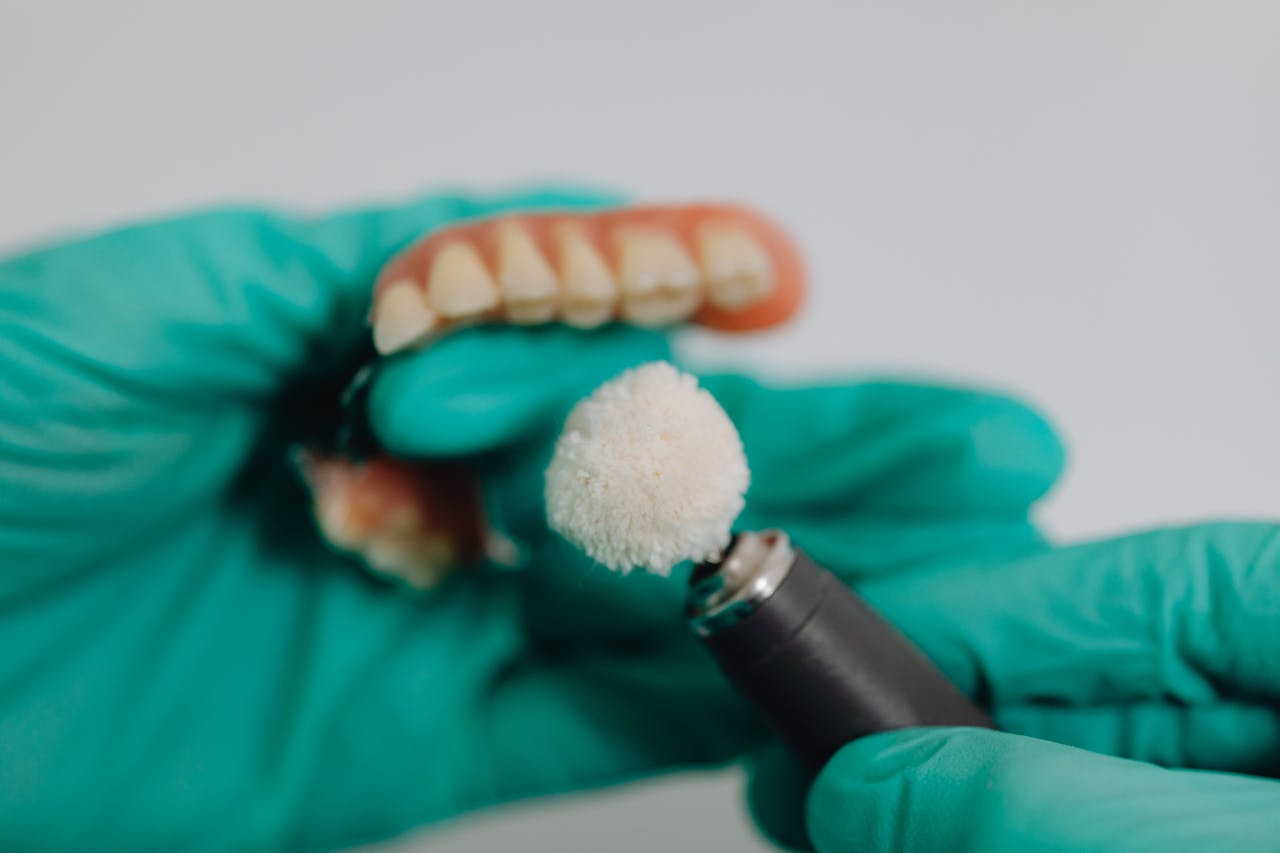
How Denture Repair Services Work Across Cape Town
Dental emergencies rarely happen at a convenient time. A cracked denture, a loose tooth, or a sudden break can disrupt daily life in ways that feel both uncomfortable and urgent. For many people, restoring function and appearance quickly becomes a top priority, especially when speech and eating are affected.
Across the Western Cape, patients rely on professional dental labs and technicians to restore damaged dentures efficiently. The process is more advanced than many expect, involving specialised materials, precision tools, and a strong understanding of oral mechanics. This ensures that repaired dentures not only look right but also function properly.
Understanding how denture repair in Cape Town services operate can help you make informed decisions during a stressful situation. From initial assessment to final fitting, each step plays a role in delivering safe, reliable results that support long-term oral health.
Understanding the Role of a Dental Lab
Denture repair is typically carried out in a dedicated dental laboratory rather than a general dental office. These labs are equipped with specialised tools designed for working with acrylics, resins, and metal frameworks.
Technicians assess the damage carefully. A clean break, for example, requires a different approach compared to a fractured base or worn-down teeth. Precision is critical, as even a minor misalignment can lead to discomfort or bite issues.
The collaboration between dentists and lab technicians is essential. Dentists provide impressions or digital scans, while technicians handle the technical reconstruction. This division of expertise ensures both clinical accuracy and structural durability.
Common Types of Denture Damage
Not all denture issues are the same, and understanding the type of damage can clarify what to expect from a repair service.
Some of the most common problems include:
• Cracked or split denture bases
• Broken or chipped artificial teeth
• Loose fittings due to wear or gum changes
• Warped dentures caused by heat or improper storage
Each issue requires a tailored approach. A simple crack might be repaired within hours, while more complex damage could involve rebuilding sections of the denture or replacing components entirely.
The Step-by-Step Repair Process
The repair journey begins with an assessment. Whether you visit a dentist or go directly to a lab, the damage is evaluated to determine feasibility and turnaround time.
Next comes preparation. The denture is cleaned thoroughly to remove debris, bacteria, and adhesive residue. This step is crucial for ensuring a strong bond during the repair.
Reconstruction follows. Technicians use high-quality materials to restore the structure, often reinforcing weak areas to prevent future breakage. Advanced curing methods are used to harden the material and ensure durability.
Finally, the denture is polished and adjusted. This step restores comfort and ensures the repaired piece aligns correctly with your bite. In some cases, a follow-up fitting may be required to fine-tune the result.
Same-Day Repairs vs Standard Turnaround
In urgent situations, many providers offer same-day repair services. These are ideal for clean breaks or minor damage that can be fixed without extensive reconstruction.
However, not all repairs can be completed quickly. More complex cases may require additional time for proper curing, reinforcement, or part replacement. Rushing these processes can compromise quality, so reputable providers will prioritise durability over speed when necessary.
Here’s what typically influences turnaround time:
• Severity and type of damage
• Availability of replacement materials
• Whether impressions or adjustments are needed
• Lab workload and scheduling
Understanding these factors helps set realistic expectations and avoids unnecessary frustration.
Why Professional Repairs Matter
It might be tempting to attempt a DIY fix, especially with over-the-counter repair kits readily available. However, these solutions often provide only temporary relief and can lead to bigger problems.
Improper repairs can affect alignment, cause gum irritation, or even damage the remaining structure of the denture. In some cases, they make professional repair more difficult or impossible.
Professional services ensure that:
• Materials used are safe and durable
• Structural integrity is restored correctly
• Fit and comfort are preserved
• Oral health risks are minimised
Investing in expert repair is not just about appearance—it’s about maintaining function and avoiding complications.
Preventing Future Denture Damage
While accidents can’t always be avoided, there are practical steps you can take to reduce the risk of damage.
Handling dentures carefully is essential. Dropping them onto hard surfaces is one of the most common causes of cracks and breaks. Using a soft towel or water-filled basin when cleaning can help cushion accidental falls.
Proper storage also plays a role. Dentures should be kept in a moist environment when not in use to prevent warping. Avoid exposing them to hot water, as heat can distort the material.
Routine check-ups are often overlooked but highly valuable. Regular assessments allow professionals to identify wear and tear early, reducing the likelihood of sudden failures.
Accessing Services Across Cape Town
Patients across the region have access to a range of repair options, from independent dental labs to clinics offering integrated services. Accessibility varies depending on location, but urban areas tend to have more same-day service providers.
In many cases, you can contact a lab directly for emergency repairs. However, some situations still require a dentist’s involvement, particularly if the issue relates to underlying oral health changes.
When choosing a provider, consider experience, turnaround time, and the quality of materials used. Transparent communication is also key, as it ensures you understand the scope of the repair and any limitations involved.
In a busy city environment, denture repair Cape Town providers have adapted to meet demand with efficient workflows and advanced techniques. This means patients can often return to normal routines much faster than expected.
What to Expect After a Repair
Once your denture is repaired, it’s important to monitor how it feels and functions. Minor adjustments are sometimes needed, especially if the repair altered the fit slightly.
You may notice improved comfort and stability, particularly if the damage had been affecting alignment. However, any persistent discomfort should be addressed promptly to avoid further complications.
Maintenance becomes even more important after a repair. Gentle cleaning, proper storage, and regular check-ups will help extend the lifespan of your denture and reduce the need for future repairs.
A well-executed repair can restore both confidence and functionality. With the right care and professional support, dentures can continue to serve effectively for years, even after unexpected damage.