
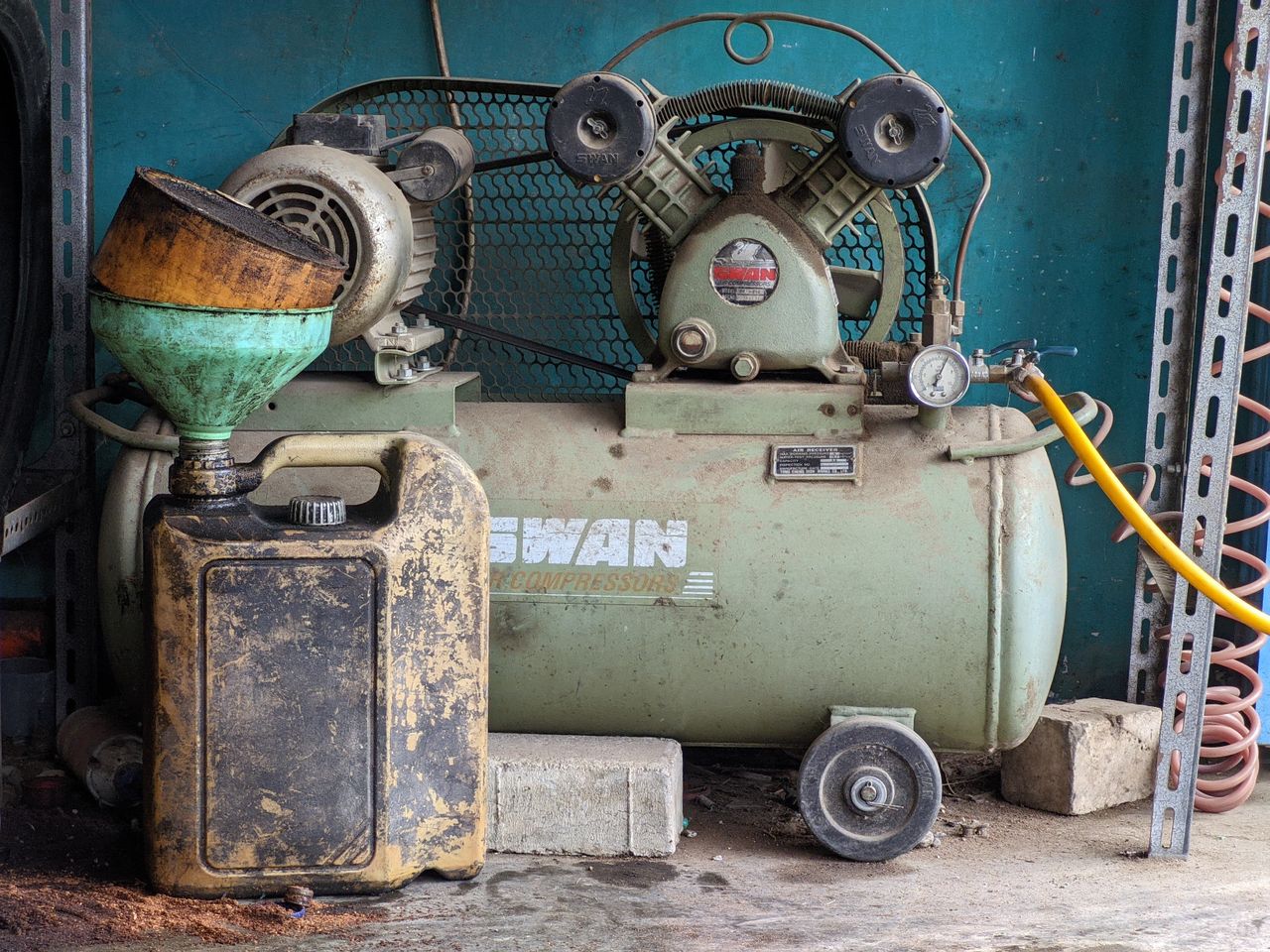
A Beginner’s Guide to Choosing the Right Air Compressor
Choosing an air compressor for the first time can feel more complicated than expected. There are different compressor types, tank sizes, power ratings, pressure levels, and airflow specifications to consider. The right choice depends less on buying the biggest machine and more on matching the compressor to the work you actually plan to do.
For beginners comparing air compressors for sale, understanding a few key specifications can make the buying process much easier. A compressor used for inflating tyres has very different requirements from one powering an impact wrench, spray gun, nail gun, or other pneumatic equipment.
A suitable compressor should provide enough pressure and airflow for the intended tools while remaining practical for the available workspace and power supply. This guide explains the main factors to consider so you can make a more informed decision and avoid paying for capacity you do not need.
Understand What You Will Use the Compressor For
Start with the jobs you expect the compressor to handle. This is the most important step because different applications place very different demands on a machine.
Some tasks only require short bursts of compressed air. Others require a continuous supply. A compressor that works well for occasional inflation may struggle when operating an air tool for several minutes at a time.
Common uses include:
- Inflating vehicle and bicycle tyres
- Cleaning equipment and work areas with compressed air
- Operating nailers and staplers
- Running impact wrenches
- Using spray guns
- Powering grinders, sanders, and other pneumatic tools
- Supplying compressed air to workshop equipment
Make a list of the tools you already own or expect to purchase. Then check their manufacturer specifications before choosing a compressor.
Learn the Difference Between PSI and CFM
Two specifications deserve particular attention: PSI and CFM.
PSI, or pounds per square inch, describes pressure. It tells you how much force the compressed air can exert. Many small workshop tools can operate at pressures around 90 PSI, although the exact requirement varies between tools.
CFM, or cubic feet per minute, describes airflow. It indicates how much air the compressor can deliver over time. This specification becomes particularly important with tools that consume a continuous stream of air.
A common beginner mistake is focusing only on maximum PSI. A compressor may advertise a high pressure rating but still lack the airflow needed for a demanding pneumatic tool.
When comparing machines, check the airflow requirement of your most demanding tool. Ideally, the compressor should provide sufficient usable airflow without constantly running at its maximum capacity.
Choose the Right Compressor Type
Air compressors generally use a few different designs, with reciprocating piston compressors being particularly common for workshops and general-purpose applications.
Piston compressors use a motor to drive a piston that compresses air inside a cylinder. They are available in compact portable models as well as larger stationary machines.
Oil-lubricated piston compressors are designed for durability and regular workshop use. The oil helps lubricate moving components, although the compressor requires appropriate maintenance.
Oil-free compressors do not require oil lubrication in the compression chamber. They can be convenient for certain applications and may require less maintenance, but suitability depends on the workload and design of the specific machine.
Rotary screw compressors are generally intended for more demanding commercial and industrial environments. They are designed for applications requiring a reliable supply of compressed air over extended periods.
For many beginners, a suitable piston compressor is a practical starting point. However, the correct choice ultimately depends on workload rather than simply experience level.
Consider Tank Size Carefully
The receiver tank stores compressed air after it has been produced by the compressor. Tank capacity is normally measured in litres.
A larger tank gives you a greater reserve of compressed air. This can be useful when a tool requires short periods of high airflow because the stored air can supplement the compressor’s output.
A smaller tank can be perfectly adequate for intermittent tasks. It also tends to make a compressor easier to move and store.
A larger tank does not automatically mean that the compressor is more powerful. Two compressors can have similarly sized tanks but very different motor and airflow capabilities.
Think about the relationship between tank size and compressor output. A large tank attached to a compressor with inadequate airflow will not necessarily solve the problem of running an air-hungry tool.
Check the Motor and Power Supply
Electric compressors are available with different motor ratings and electrical requirements. Before purchasing one, confirm that your workshop or work area can safely supply the required power.
A compressor that requires a particular voltage or dedicated electrical circuit should not simply be connected to an unsuitable outlet. If you are unsure about the electrical requirements, have the installation assessed by a qualified electrician.
Portable compressors are often designed for convenience, while larger workshop models may require more substantial electrical infrastructure.
Also consider where the compressor will operate. Ventilation matters because compressors generate heat during operation. The manufacturer’s installation instructions should always take priority.
Pay Attention to Duty Cycle
Duty cycle describes how long a compressor can operate before it needs a cooling period.
This matters more as your workload becomes heavier. A compressor used for occasional inflation may not need the same duty characteristics as a machine operating pneumatic equipment throughout the day.
If you intend to use the compressor frequently, look beyond the maximum pressure and tank size. Check the manufacturer’s stated operating limitations and recommended usage.
Running a machine outside its intended operating conditions can increase wear and may contribute to overheating or premature failure.
Think About Portability
Where you intend to use the compressor can influence the best design.
A portable model may be preferable if you need to move between different work areas. Wheels, handles, overall dimensions, and machine weight all affect how convenient it is to transport.
A stationary compressor can make more sense for a dedicated workshop where the machine will remain in one location.
Consider the distance between the compressor and the equipment it will supply. If you regularly work in different areas, portability can be just as important as raw performance.
Match the Compressor to Your Tools
Your pneumatic tools should determine much of the compressor specification.
Check each tool’s recommended PSI and airflow consumption. Pay particular attention to whether the airflow figure represents average or continuous consumption, as these can lead to different practical requirements.
For example, a nail gun may only consume air in short bursts. An impact wrench can also operate intermittently, depending on the job. By contrast, tools such as pneumatic sanders and grinders can consume considerable amounts of air continuously.
If you plan to use several tools, identify the one with the greatest air demand. The compressor should be selected around the most demanding application rather than the easiest one.
Follow a Simple Buying Process
Once you understand the basic specifications, narrowing down your options becomes much easier.
- List the jobs you need the compressor to perform.
- Check the PSI and airflow requirements of your tools.
- Identify whether your applications are intermittent or continuous.
- Decide whether portability or stationary installation is more appropriate.
- Compare tank capacity and compressor output together.
- Confirm the available electrical supply.
- Check noise levels if the compressor will be used near occupied areas.
- Review maintenance requirements and manufacturer guidance.
- Compare warranties, service support, and replacement parts.
- Choose a model that provides appropriate capacity without unnecessary overspending.
This approach helps prevent one of the most common purchasing errors: selecting a compressor based primarily on appearance, advertised maximum pressure, or tank size.
Consider Noise Levels
Noise can become an important practical issue, especially in residential garages, enclosed workshops, or areas close to other people.
Compressors can produce noticeable operating noise, and some models are designed with features intended to reduce sound levels.
If the compressor will be used regularly, check its published noise rating rather than assuming a smaller machine will automatically be quiet.
Hearing protection may also be appropriate in noisy working environments. Follow workplace safety requirements and the equipment manufacturer’s recommendations.
Think About Maintenance
A compressor is not a completely maintenance-free appliance. The exact requirements vary by design, but regular care can help maintain reliable operation.
Depending on the model, maintenance may include checking or changing oil, draining accumulated moisture from the receiver tank, inspecting filters, checking connections, and following scheduled service intervals.
Moisture is a natural consideration because compressed air can contain water vapour that condenses inside the system. Regularly draining the receiver according to the manufacturer’s instructions helps manage accumulated condensate.
Never perform maintenance while the equipment is running or pressurised when the procedure requires isolation. Follow the manufacturer’s safety instructions and release stored pressure as directed.
Consider Air Quality Requirements
Not every compressed-air application requires the same level of air cleanliness.
For basic workshop tasks, standard compressed air may be sufficient. Other applications can require filtration, moisture separation, or specialised air treatment.
Paint spraying, for example, may be affected by moisture or contaminants in the air supply. Sensitive equipment can have additional requirements.
If the air will come into contact with products, machinery, or processes where contamination could cause problems, check the equipment manufacturer’s air-quality specifications before choosing accessories.
Avoid Buying More Compressor Than You Need
It is tempting to assume that the largest compressor available must be the best investment. In practice, excessive capacity can mean paying more for equipment, installation, electricity, space, and maintenance.
At the same time, choosing a machine that is too small can be frustrating. The compressor may cycle frequently, struggle to maintain pressure, or fail to keep up with a high-demand tool.
The goal is a sensible balance.
Allowing some additional capacity can be useful if you expect your tool collection or workload to grow. However, the extra capacity should have a practical purpose rather than being selected simply because a bigger specification appears better.
Check Safety Features and Build Quality
Compressed air stores significant energy, so safety should be part of the purchasing decision.
Look for equipment from an established manufacturer with clear operating instructions, appropriate safety information, and accessible technical support.
Important features and considerations can include correctly rated pressure components, pressure controls, safety relief mechanisms, suitable hoses and fittings, and clear maintenance instructions.
Do not modify pressure-control or safety systems to increase performance beyond the manufacturer’s specifications. Components used with compressed air should also be rated for the pressures involved.
Compare the Total Cost of Ownership
The purchase price is only one part of the cost.
A cheaper compressor may have different maintenance requirements, operating costs, warranty coverage, or replacement-part availability compared with a more expensive model.
When comparing air compressors for sale, consider the machine’s intended workload, energy consumption, maintenance schedule, accessories, warranty, and after-sales support.
For a compressor that will be used regularly, reliability and serviceability can be more valuable than a small difference in the initial purchase price.
Know When to Seek Professional Advice
A basic portable compressor can be relatively straightforward to select for simple tasks. More complex installations deserve additional planning.
Professional advice may be appropriate when installing a large stationary compressor, supplying multiple tools, designing fixed compressed-air pipework, or dealing with specialised industrial equipment.
Electrical connections should also be handled according to applicable safety requirements. If you are uncertain about installation, pressure ratings, or system design, consult a suitably qualified professional.
Make the Final Choice Based on Real Requirements
Choosing an air compressor becomes much simpler when the decision starts with the work rather than the machine.
Identify your tools, check their airflow and pressure requirements, consider how frequently they will operate, and then select a compressor capable of handling those demands.
Tank capacity, motor power, portability, noise, maintenance, and electrical requirements should all support that primary decision.
The best beginner compressor is not necessarily the largest or most expensive model. It is the one that safely provides the pressure and airflow you need while fitting your workspace, budget, and expected workload.
Before making a purchase, take time to read the manufacturer’s specifications and operating instructions. A careful comparison at the start can help you choose equipment that remains useful as your workshop skills and projects develop.